Hyderabad Is Moving Faster. Are We Driving Safer?

By Dr. Apoorva Chandra Patrame
HOD – Emergency Medicine
STAR Hospitals, Nanakramguda
Every day, thousands of Hyderabadis step out of their homes to get to work, drop their children at school, attend appointments or return home to their families. For most, the journey is routine. But a moment of speeding, a sudden lane change, a missed signal or a helmet left behind can turn an ordinary commute into a medical emergency.
Trauma is not simply the result of an unfortunate accident. In many cases, it is the consequence of preventable risks - and the outcome often depends on how quickly the right help reaches the injured person.
According to an official report, Telangana recorded 26,684 road accidents resulting in 7,505 to 7,949 deaths (averaging around 20 deaths daily) across the state in 2025

Hyderabad Traffic Police has repeatedly highlighted the vulnerability of two-wheeler riders, particularly those who do not wear helmets. These figures are a reminder that road safety must be treated as a public health priority, not merely a traffic-management issue.
*The Preventable Causes Behind Road Trauma*
Speeding reduces the time available to react and increases the force of impact. Driving under the influence of alcohol impairs judgement and coordination. Using a mobile phone while driving diverts attention at precisely the moment it is needed most. Wrong-side driving, signal jumping, unsafe overtaking and failure to wear helmets or seat belts further increase the risk of serious injury.
Two-wheeler riders are particularly vulnerable because they have little physical protection during a collision. A helmet can substantially reduce the risk of severe head injury, but only when it meets safety standards and is securely fastened. Seat belts are equally essential for car occupants.
The consequences extend beyond road crashes. Falls, workplace accidents, burns and other injuries can cause severe trauma, too. Older adults may suffer serious injuries from seemingly minor falls, while workplace incidents can lead to life-changing damage if safety precautions are ignored.
*When an accident happens, the next few minutes matter*
Not every serious injury is immediately visible. A person may be conscious and speaking after a collision while having internal bleeding, a traumatic brain injury or damage to vital organs. Dismissing symptoms because there is no obvious wound can delay critical treatment.
This is where the Emergency Department plays a pivotal role.
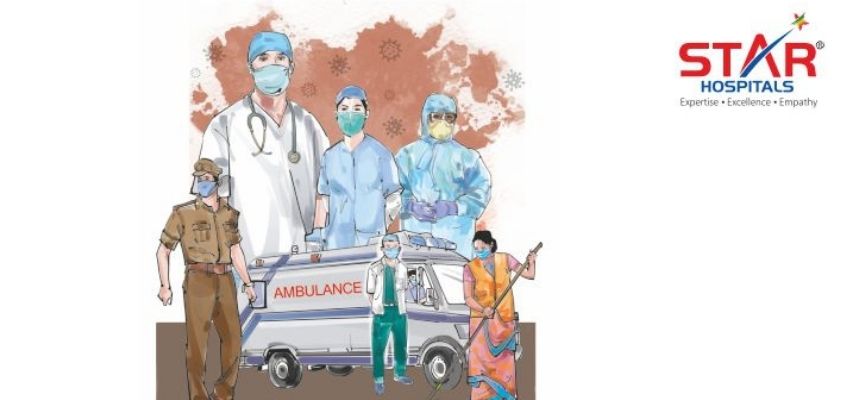
When a severely injured patient arrives, the emergency team rapidly identifies the most immediate threats to life. Airway and breathing problems are addressed, major bleeding is controlled, and other potential life-threatening injuries are quickly evaluated and addressed. Investigations, including X-Rays and scans, are arranged quickly according to clinical need. When required, emergency physicians coordinate with trauma surgeons, neurosurgeons, orthopaedic specialists, anaesthesiologists and critical-care teams to deliver time-sensitive treatment as soon as the patient arrives.
The first hour after a serious injury is often called the golden hour. Some conditions demand intervention within minutes. That is why early recognition, safe transport and immediate hospital assessment matter so much.
*What should you do if you witness a road accident?*
First, protect yourself and others from moving traffic. Call for emergency assistance or an ambulance. Share the exact location and the nature of the injuries. If there is severe bleeding, apply firm, direct pressure if it is safe to do so. Avoid moving the injured person unnecessarily, particularly if a head, neck or spinal injury is suspected. Do not give food, water or medication. Follow the emergency dispatcher's instructions.
Just as importantly, do not crowd the injured person or obstruct emergency responders.
*Prevention must begin before the journey*
Wear a properly fastened helmet on every two-wheeler journey. Use seat belts, obey speed limits, do not use a mobile phone while driving, and never drive under the influence of alcohol. Leave enough distance between vehicles and remain alert to pedestrians and other road users.
This World Trauma Day, my message is simple: road safety is not just about reaching your destination; it is about making sure you return home safely.
As emergency physicians, we are trained to respond when the unexpected happens. But the most effective trauma care begins much earlier - with a responsible decision on the road, a bystander who knows what to do and a timely call for help.
Because behind every trauma case is a human life, a family and a future worth protecting.
 Disclaimer: Welthi.com does not guarantee any specific results as a result of the procedures mentioned here, and the results may vary from person to person.