CRACKED HEELS – NOT JUST A COLD WEATHER PROBLEM
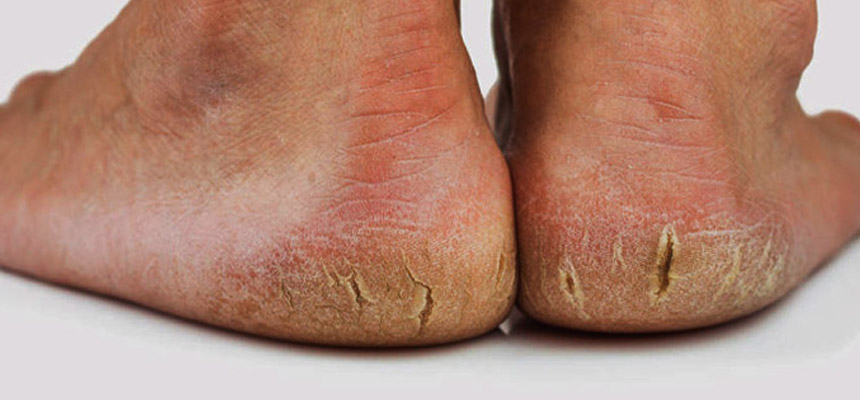
We don’t realize just how much pressure our feet take during the course of a day. They really do need pampering, but we tend to focus all our attention on the face, and often neglect our feet.
It is when the sensitive skin on the bottom of the feet and heels gets overly dry that the skin, due to being stretched, splits open, leaving painful cracks called fissures, on your heels. Fissures on the heels not only make it painful to walk but can also lead to serious infections, if not taken care of in time.
.jpg) What causes cracked heels? “Insufficient moisture,” says Dr. Kavitha, of Kavitha Skin Clinic. “People often don’t worry about their feet until winter comes around, and by then fissures have already formed on their feet. That’s why I always advise people to moisturize their feet well – after their morning shower and at bedtime.”
What causes cracked heels? “Insufficient moisture,” says Dr. Kavitha, of Kavitha Skin Clinic. “People often don’t worry about their feet until winter comes around, and by then fissures have already formed on their feet. That’s why I always advise people to moisturize their feet well – after their morning shower and at bedtime.”
Cold weather during the winter months isn’t the only cause of cracked heels. Dehydration, caused due to insufficient water intake, not moisturizing your feet and taking very hot baths or showers, are other causes.
Says Dr. Kavitha, “People with fissures on their feet tend to find relief soaking their feet in hot water. However, this provides only temporary relief and the heat in the water also further depletes the skin of much-needed moisture. Rather than soaking one’s feet in water, I advise everyone suffering with fissures on their feet, to just keep moisturizing their feet.”
If left untreated, the cracks or fissures on the heels of the feet can actually get infected. “For hard and thick fissures, use a Salicylic Acid based Ointment,” advises Dr. Kavitha, “and also apply an Antiseptic Cream. It is important to consult a Dermatologist if the condition doesn’t improve, as it could be something more serious like Palmoplantar Psoriasis which can make simple everyday functions, like walking, very painful.”
The two biggest risk factors for cracked heels are Diabetes and Obesity. Diabetics are likely to experience cracked heels because damage to nerves in the feet from uncontrolled blood sugars can cause dry skin. People with Diabetes are also more likely to sustain an infection from cracked heels than non-diabetics.
“If you are Diabetic, you must examine your feet thoroughly for signs of any infection due to fissures,” cautions Dr. Kavitha, “or this could progress into something serious. Prevention is better than cure. Wear socks and shoes during the cold, dry months, drink adequate water, stay away from excessively hot water, and avoid walking barefoot. Above all, moisturize your feet all the year round so that you don’t suffer with fissures when the weather is dry and cold.”
 Disclaimer: Welthi.com does not guarantee any specific results as a result of the procedures mentioned here, and the results may vary from person to person.