Brain Stroke Is No Longer Just an Older Person’s Disease: Why Hyderabad Must Act FAST
A sudden slurring of speech during a work meeting. Weakness in one arm while driving home. Sudden loss of balance in the middle of an otherwise ordinary day. These symptoms may appear without warning, and they may happen to someone who is just 30 or 40 years old. When they do, every minute matters.
Brain stroke is often perceived as a disease of old age. However, this assumption can be dangerous. Stroke can affect people at any age, including young professionals, parents and individuals who otherwise consider themselves healthy. On World Stroke Day, observed on October 29, we must recognise that stroke is not only a medical emergency but also a public health challenge that demands greater awareness, timely action and preventive care.
The growing burden of stroke
A stroke occurs when the blood supply to a part of the brain is interrupted by a blockage or when a blood vessel ruptures, causing bleeding. Brain cells begin to suffer damage rapidly when they are deprived of oxygen. Depending on the area affected, a stroke can lead to paralysis, speech difficulties, memory problems, disability or even death.
India faces a substantial burden of stroke. A recent study shows out of 34,792 stroke patients across 30 hospitals, nearly one in seven patients was below the age of 45. This is a sobering reminder that stroke prevention cannot be limited to older adults.
For Hyderabad, these findings carry particular relevance. The city's rapidly evolving lifestyle, long working hours, sedentary routines and increasing exposure to metabolic risk factors make awareness and early intervention especially important. Local reporting has also highlighted the concerning proportion of younger adults among stroke patients in Hyderabad. While city-specific estimates vary by study and population, the message is clear: age alone cannot be used to rule out stroke.
Why are younger people at risk?
The increasing occurrence of stroke among younger adults deserves urgent attention. High blood pressure, diabetes, elevated cholesterol, obesity, smoking and tobacco consumption are important contributors. These conditions may develop silently, without obvious symptoms, and often remain undiagnosed in people who rarely undergo preventive health checks.
Modern lifestyles can compound these risks. Prolonged sitting, inadequate physical activity, unhealthy eating habits, poor sleep and excessive alcohol consumption can adversely affect vascular health. Air pollution is another recognised contributor to cardiovascular and cerebrovascular risk.
However, it is important not to assume that every stroke in a young person is caused by lifestyle. Certain heart conditions, blood-clotting disorders, arterial abnormalities and other medical conditions can also cause stroke in younger individuals. Anyone experiencing sudden neurological symptoms needs immediate medical assessment, regardless of age or apparent fitness.
Young people must stop treating high blood pressure and elevated blood sugar as concerns for the distant future. Knowing your numbers, getting appropriate health checks and addressing risk factors early can make a meaningful difference.
Recognise the warning signs. Act FAST.
One of the biggest challenges in stroke care is the delay between the onset of symptoms and reaching a hospital. People may dismiss sudden weakness as fatigue, attribute slurred speech to exhaustion or wait for symptoms to disappear. This delay can cost precious brain tissue and reduce the opportunity for effective treatment.
Remember the warning signs through the FAST approach:
• The BE FAST approach helps identify the warning signs of a brain stroke:
• B – Balance: Sudden loss of balance, dizziness or difficulty walking.
• E – Eyes: Sudden blurred vision, double vision or loss of vision in one or both eyes.
• F – Face: One side of the face droops or looks uneven when smiling.
• A – Arms: Sudden weakness or numbness in one arm, especially when one arm drifts downward.
• S – Speech: Slurred speech, difficulty speaking or trouble understanding others.
• T – Time: Time to act immediately. Call emergency services and get the person to a stroke-ready hospital without delay.
Even if symptoms disappear within minutes, they may indicate a transient ischaemic attack, sometimes called a mini-stroke. This requires urgent evaluation because it can signal an increased risk of a subsequent stroke.
Treatment is time-sensitive. Prevention is powerful.
Not all strokes are treated in the same way. After urgent brain imaging establishes the type of stroke, eligible patients with an ischaemic stroke may receive clot-dissolving medication within a defined treatment window. Selected patients may benefit from mechanical thrombectomy, a procedure that removes a clot from a blocked brain artery, sometimes up to 24 hours after last being known well. Eligibility depends on clinical assessment and imaging; these treatments are not suitable for everyone.

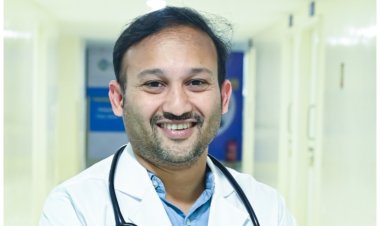
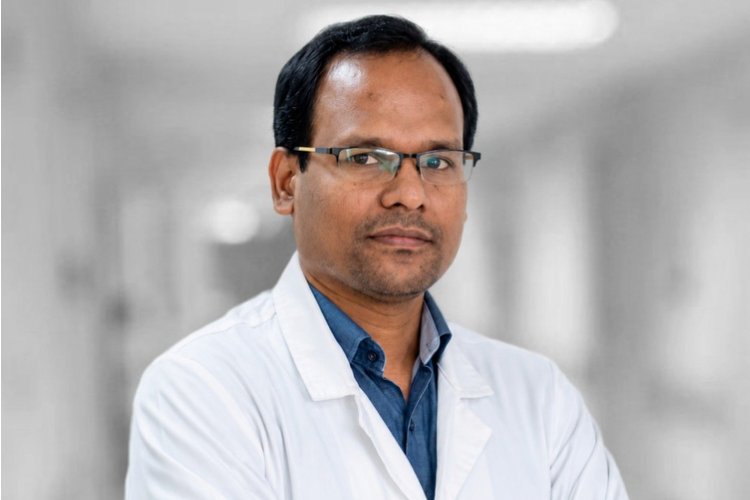
Dr Santhosh Kumar B,
Senior Consultant - Neurology,
STAR Hospitals Nanakramguda
The most effective approach, however, begins before an emergency occurs. Check blood pressure, blood sugar and cholesterol regularly. Eat a balanced diet with less salt, exercise consistently, maintain a healthy weight, avoid tobacco and seek medical advice about alcohol consumption and sleep-related concerns. People with existing conditions should follow their prescribed treatment and attend regular reviews.
Stroke can change an individual's life in minutes, but awareness can change what happens next.
.
 Disclaimer: Welthi.com does not guarantee any specific results as a result of the procedures mentioned here, and the results may vary from person to person.