Time Is Brain": Doctors Urge Public to Learn the Warning Signs of Stroke
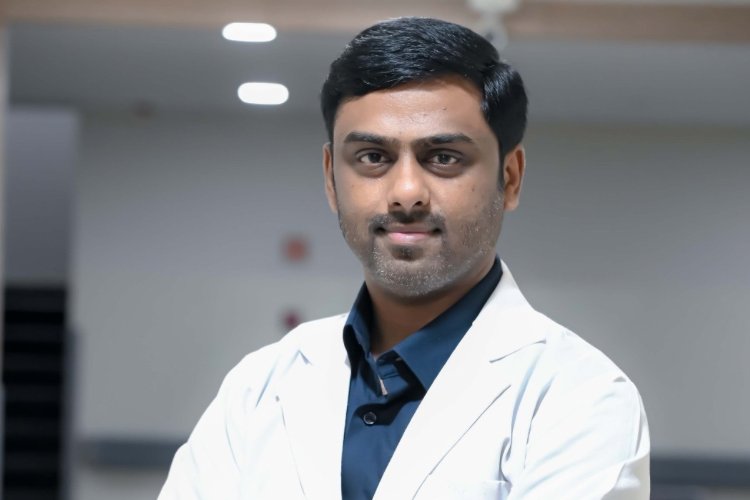
*Hyderabad Interventional Neurologist explains why recognizing stroke symptoms within minutes — not hours — can mean the difference between recovery and permanent disability.*
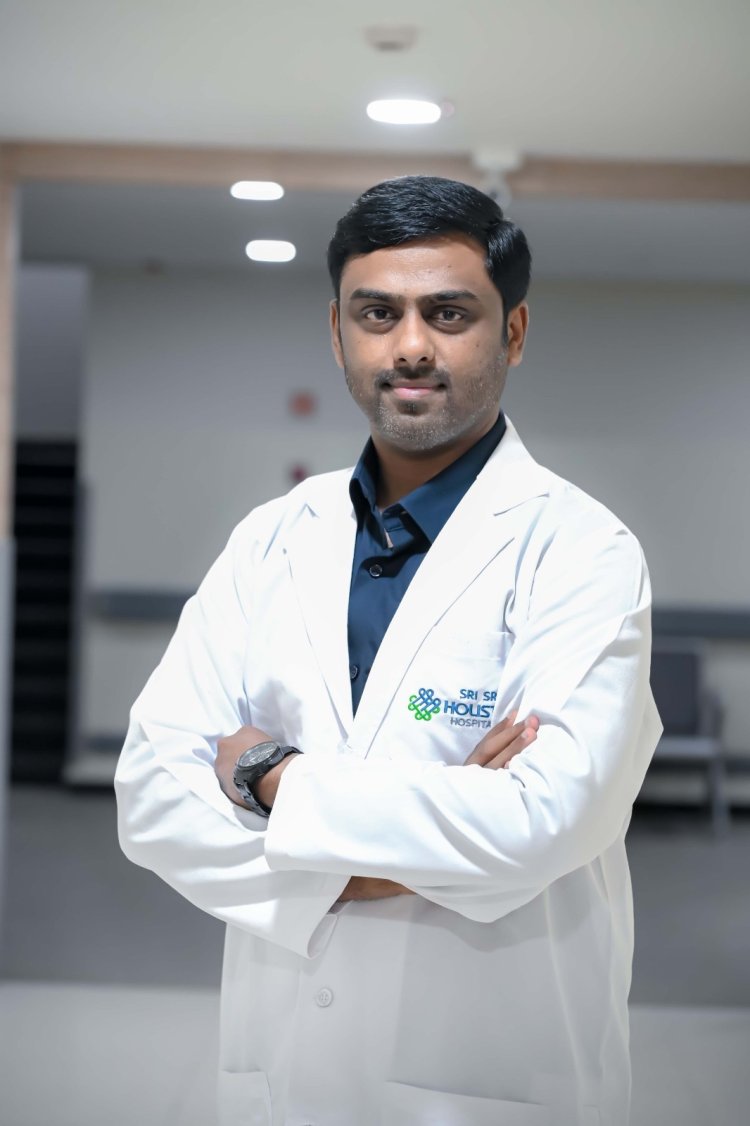
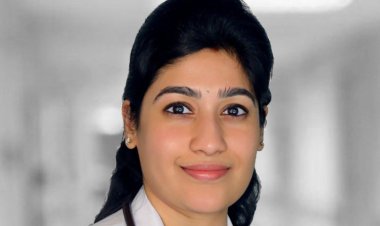
Dr. Sajja Venkatesh*
MBBS | DNB (General Medicine) | DM (Neurology) | FNB (Neurovascular Intervention)
Consultant in Neurology & Neurovascular Intervention
Sri Sri Holistic Hospitals, Kondapur.
*Health Desk Report | Hyderabad*
A stroke is essentially an attack on the brain — just as a heart attack affects the heart. In simple terms, a stroke can cause sudden paralysis or weakness, often affecting one side of the body. Stroke is third leading cause of death and disability worldwide. Low- and middle-income countries, including India, carry a disproportionate share of stroke-related disability and death due to delayed recognition, poor awareness and access to newer treatment interventions like mechanical thrombectomy (MT).
In India, approximately 1 in 4 people experience a stroke during their lifetime -- and for many, the difference between a full recovery and a permanent disability comes down to a matter of minutes.
"Time is brain," says *Dr. Sajja Venkatesh*, a neurointerventionalist at **Sri Sri Holistic Hospitals in Kondapur, Hyderabad*. "For every minute a stroke goes untreated, the brain loses millions of cells. The faster a patient reaches the hospital, the more of the brain we can save."
*Two Kinds of Stroke*
Sroke is classified into two broad categories:
• **Ischemic Stroke:* About 80 to 85 percent of strokes. A blood vessel in the brain becomes blocked by a clot, cutting off blood flow.
• **Hemorrhagic Stroke:** The remaining 15 percent. A blood vessel in the brain bursts and bleeds into surrounding tissue.
Both are medical emergencies, but their treatments are “fundamentally opposite”. This is why accurate diagnosis, typically with a CT or MRI scan, is critical. Patients should be taken urgently to a hospital equipped to provide specialized stroke care without administering any self-medications.
*Know the Signs: BE-FAST*
Remember the acronym *BE-FAST* — to recognize a stroke in progress:
• *B - Balance:* Sudden loss of balance or coordination.
• *E - Eyes:* Sudden blurred or lost vision.
• *F - Face:* One side of the face suddenly droops.
• *A - Arm:* One arm becomes weak or numb.
• *S - Speech:* Speech becomes slurred or difficult to understand.
• *T - Time:* If any of these signs appear, note the time and call for emergency help immediately.
> *"If you or a loved one shows any BE-FAST signs, don't wait to see if it passes and don’t ignore even if it resolves — go straight to a hospital equipped for stroke care."*
> — *Dr. Sajja Venkatesh, Neurointerventionalist*
*A Race Against the Clock*
*“4.5 & 24”* — remember these two numbers as the golden time windows for stroke treatment:
1. *Within the first 4.5 hours:* Ischemic stroke patients are eligible for a clot-dissolving injection administered through a vein.
2. *Up to 24 hours:* A second option extends up to 24 hours: *Mechanical Thrombectomy (MT)*.
MT is a revolutionary newer treatment modality for brain stroke that has been integrated into clinical practice only in the last decade. MT is a minimally invasive procedure in which a neurointervention specialist guides a catheter through a blood vessel, usually accessed through the wrist or groin, to reach the blocked blood vessel in the brain. The blood clot is then removed, restoring blood flow to the affected part of the brain. This is very similar to the procedures used to treat heart attacks and is performed in a specialized cath lab equipped for neurointervention.
It is important to note that the benefit of treatment is highly “time-dependent” -- earlier the blocked vessel is reopened, better the chances of neurological recovery. Even within the accepted 24-hour treatment window, a patient treated at 6 hours is more likely to achieve a good recovery compared to a patient treated at 12 or 20 hours after stroke onset.
*"Beyond these windows, the options for reversing damage narrow considerably. That's why we keep repeating the message: don't wait, don't self-medicate, and don't drive around wasting time — go directly to a MT capable Hospital i.e. a hospital equipped with a Neuro-capable Cath lab."*
*Who Is at Risk*
Certain factors significantly raise a person's risk of stroke:
• *High blood pressure* — widely considered the single biggest risk factor for stroke.
• *Diabetes* — damages blood vessels over time, raising stroke risk.
• *Age* — risk increases naturally as people grow older.
• *Physical Inactivity* — trend increasingly noticed with urbanization.
• *Carotid artery narrowing* — a narrowing of the neck arteries, detected through a simple Doppler ultrasound scan and can be treated with carotid stenting.
*Prevention and Recovery*
For patients who have already had a stroke, or who are at high risk, doctors often prescribe antiplatelet medicines or blood thinners, which help keep blood flowing smoothly and prevent new clots from forming, and statins, which stabilize fatty deposits in blood vessels and lower the risk of a future stroke.
*"These medicines should never be stopped without a doctor's guidance,"* Dr. Venkatesh cautions.
Physiotherapy also plays a central role in recovery, helping patients regain movement, balance, and independence while reducing the risk of complications such as stiffness or falls. Alongside medical treatment, doctors emphasize everyday lifestyle changes — reducing salt intake, avoiding smoking, eating a balanced diet, and taking a daily walk — as simple but meaningful ways to lower long-term risk.
*Where to Get Help*
• *24-Hour Availability:* Sri Sri Holistic Hospitals, Kondapur, maintains a catheterization lab and stroke specialist on call around the clock.
• *In an Emergency:* If you or a loved one shows BE-FAST signs, go directly to the nearest hospital equipped for stroke care — do not waste time.
*Disclaimer: This article is intended for general public awareness and does not replace professional medical advice. Readers experiencing stroke symptoms, or with concerns about their personal risk, should consult a qualified physician.*
 Disclaimer: Welthi.com does not guarantee any specific results as a result of the procedures mentioned here, and the results may vary from person to person.