Study Offers New Hope for Bypass Surgery in Diabetic Patients
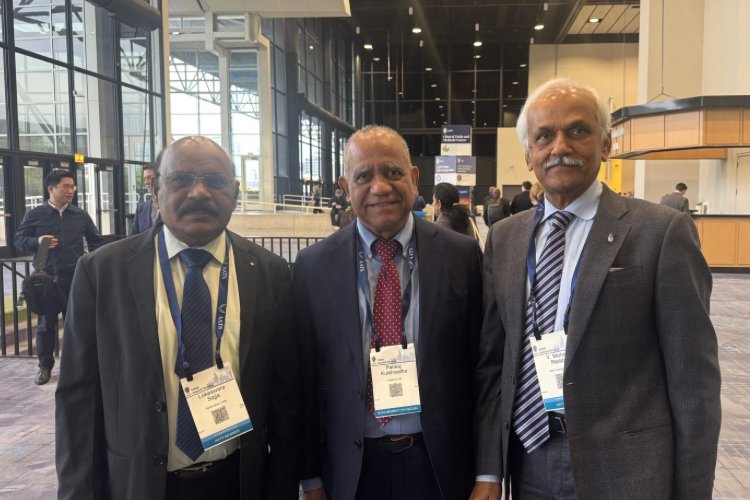
HYDERABAD – Blockages in the heart's blood vessels are the leading cause of heart ailments requiring hospitalization and are potentially fatal if not treated appropriately and in time. Many of these patients require a heart bypass operation to relieve symptoms and prevent complications. Medical Scientists have been intensively researching the short and Long-term effects of heart bypass surgeries to improve safety and better long-term symptom-free survival. A recent study is underway to assess the short- and long-term outcomes and benefits of coronary artery bypass surgery in patients with diabetes and heart disease. This pan-India study, spanning 15 centers and 7 states, involved 17 expert surgeons. The study is led by Dr. Lokeswara Rao Sajja, a renowned Cardiothoracic Surgeon at Star Hospitals, Hyderabad, and the Founder-Chairman of the Sajja Heart Foundation. The study has received funding from the Indian Council of Medical Research (ICMR), Department of Health Research, Ministry of Health and Family Welfare, Government of India. Dr Sajja presented the study findings at the American Association for Thoracic Surgery Annual Meeting in Chicago in the first week of May, 2026. Here are the interesting facts revealed in this study so far.
The Standard vs. New Approach
Bypass surgery is performed when blockages occur in the blood vessels supplying the heart muscle. The standard practice involves using one mammary artery from the chest and leg veins to bypass the blockage. In the new approach, either both mammary arteries from the chest wall or one mammary artery and one radial artery from the forearm are used for bypass, with vein grafts as needed. Mammary arteries are of the same size as the blood vessels that carry blood to the heart; therefore, they are given first priority in bypass surgery. Doctors usually choose the mammary arteries for bypass because they tend to last longer. This artery splits into smaller vessels and normally supplies blood to the breastbone and chest wall.
It was previously believed that using two such mammary arteries for bypass in diabetics would increase the risk of breastbone infection, leading to further complications. Diabetics are prone to infections even with trivial injuries and minor surgeries. This has led to the global standard practice of using a single mammary artery.
The PREDICT Trial
The recent multicentric study led by Dr. Sajja, known as the PREDICT Trial, specifically examined the benefits of using multiple arterial grafts (both the mammary arteries and the radial artery) versus a single mammary artery for bypass surgery in the challenging diabetic patient group in a 5-year follow-up period. As part of this research, 950 diabetic patients under 70 years of age were examined. Several interesting facts have emerged from observations made during the first year. It was observed that 98% of arterial grafts remained open at the end of 1 year. The risk of breast infections was low and comparable to the standard practice of single mammary artery usage, allaying the fears of breastbone wound infections in diabetics. The desirable safety profile observed in the study is likely to increase adoption of the multi-arterial grafting in bypass surgery, particularly among young adults in the future.
 Disclaimer: Welthi.com does not guarantee any specific results as a result of the procedures mentioned here, and the results may vary from person to person.