Sarcoma – The Hidden Cancer That Demands Our Attention

In a country grappling with rising cancer incidence, sarcomas remain largely unrecognised, often surfacing too late for effective intervention. Despite being rare, they are highly aggressive and disproportionately impact children, adolescents, and young adults. India sees a significantly delayed diagnosis rate, especially in semi-urban and rural settings where awareness and access to expert care remain limited. Even in urban cities like Hyderabad, referrals for sarcoma are often post-stage II, reducing the window for conservative treatment and long-term survival.
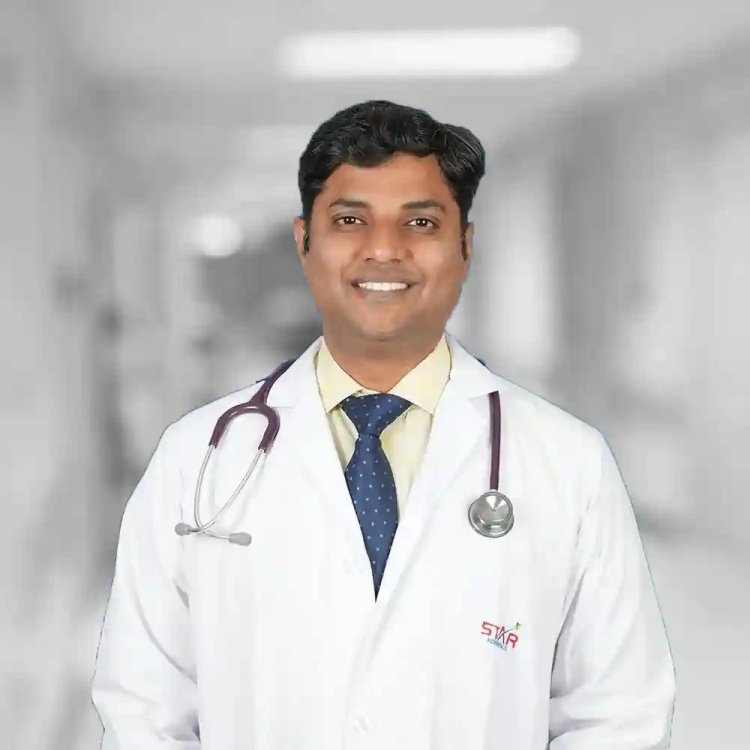
Dr. Sainath Bhethanabhotla, Sr. Consultant & Head, Medical Oncology of STAR Hospitals, Hyderabad
July marks Sarcoma Awareness Month, and this year’s global theme – ‘Unmasking Sarcoma: Knowledge, Early Detection, and Hope’ - calls upon clinicians, patients, families, and healthcare systems to collectively drive change. Because in sarcoma care, time isn’t just critical – it is everything.
Dr. Sainath Bhethanabhotla, Sr. Consultant & Head, Medical Oncology of STAR Hospitals, Hyderabad, gives an insight into understanding sarcoma and the importance of early detection aiming to empower both individuals and communities.
Understanding Sarcoma – Rare & Complex
Sarcoma is a group of rare cancers that form in the connective tissues of the body - muscles, fat, blood vessels, tendons, and bones. It can occur at any age and almost anywhere in the body, though it commonly begins in the arms and legs. Because it often starts deep inside the body, it can grow significantly before showing symptoms. A newly identified variant called pseudoendocrine sarcoma adds to the complexity of this disease.
• In India, sarcomas account for a very small percentage of overall cancer cases. However, their impact is disproportionately high due to late diagnosis.
• Soft tissue sarcomas make up less than 1% of adult cancers but account for 15% of paediatric tumours.
• Ewing sarcoma, a bone cancer, is most common in the 10-19 age group, making young people particularly vulnerable.
Recognising the Symptoms Early
Sarcomas are difficult to detect early due to their subtle symptoms. Here’s what to watch out for:
• Unusual lumps or swelling, often painless at first
• Persistent localised pain, especially in bones or muscles
• Stiffness or reduced movement near joints
• Fractures from weakened bones
• Fatigue and weight loss, typically in advanced stages
Why Awareness Must Translate into Action
Sarcoma is not just rare – it is often misunderstood. Awareness campaigns must aim beyond education to actively drive screening, referral, and research. Here’s what needs to happen:
• Educate clinicians across specialties - especially orthopaedics, paediatrics, and primary care - on high-risk presentations
• Engage schools, parent groups, communities to watch for early signs in children
• Empower individuals to seek timely medical help and ask questions about unexplained symptoms and not ignore them
• Encourage Research & Collaboration by increasing funding and supporting clinical trials for advanced treatments
Prevention: What can you control?
While sarcoma cannot entirely be prevented, risk mitigation and early detection remain powerful tools. The following measures can make a measurable difference.
- Avoid Unnecessary Radiation and Chemical Exposure
Repeated exposure to radiation, such as from poorly monitored imaging, or industrial chemicals like vinyl chloride and herbicides may increase risk. - Know Your Genetic Risk
• Families with inherited conditions like Li-Fraumeni syndrome, neurofibromatosis, Werner syndrome, or retinoblastoma should undergo genetic counselling and annual surveillance. - Manage Chronic Health Conditions
• Chronic lymphedema and diseases like Paget’s disease of the bone can predispose individuals to sarcoma. Regular follow-up with a specialist is advised. - Be Proactive with Screening
• If you or your child has an unexplained, persistent lump or swelling, do not delay imaging. A basic ultrasound or MRI can identify early-stage sarcoma. - Embrace a Healthy Lifestyle
• Regular physical activity, healthy weight maintenance, and early treatment of injuries or inflammation can reduce complications that may mask sarcoma symptoms.
Stages of Sarcoma: Understanding the Progression
Staging is a crucial part of diagnosing and treating sarcoma. It helps doctors determine the extent of the disease, plan appropriate treatment, and estimate outcomes. Sarcomas are staged based on the tumour size, depth, grade, and whether the cancer has spread to lymph nodes or distant organs.
Here’s a simplified overview of the four main stages of sarcoma:
• Stage I – Small tumours (usually <5 cm)
• Stage II – Tumours may be larger than 5 cm or located deep within muscles or tissues
• Stage III – High-grade tumours, often large and/or deep
• Stage IV – Metastatic Sarcoma - cancer has spread to distant organs, commonly the lungs, liver, or bones
Treatment Pathways for Sarcoma:
Surgery
• Primary treatment for most localized sarcomas
• Focus on complete tumour removal with clear margins
• Limb-sparing or organ-preserving techniques preferred over amputation
• In select cases, reconstructive surgery may follow tumour removal
Radiation Therapy
• Used before surgery (neoadjuvant) to shrink tumours or after surgery (adjuvant) to destroy remaining cancer cells
• Advanced techniques like IMRT (Intensity-Modulated Radiation Therapy), proton therapy, and stereotactic radiation minimize damage to surrounding tissues
Chemotherapy
• Often used for high-grade or metastatic sarcomas
• Particularly effective in paediatric sarcomas like Ewing sarcoma and osteosarcoma
• May be given before surgery (to shrink tumour) or after (to prevent recurrence)
Targeted Therapy
• Based on molecular profiling of the tumour to identify specific mutations or pathways
• Effective in select subtypes like GIST (gastrointestinal stromal tumours) using agents like imatinib
Immunotherapy
• An emerging option for certain sarcoma variants
• Helps the immune system recognize and destroy cancer cells
• Typically considered in advanced or treatment-resistant cases
Clinical Trials
• Provide access to novel drugs and treatment combinations not yet widely available
• Suitable for relapsed, metastatic, or rare sarcoma subtypes
Supportive & Rehabilitative Care
• Physiotherapy and rehabilitation to restore movement and strength
• Pain management and palliative care for symptom control
• Psychological counselling, nutritional support, and survivorship programs to ensure holistic recovery
At STAR Hospitals, Hyderabad, sarcoma treatment follows a highly specialised, multidisciplinary model where each patient benefits from the collective expertise of surgical oncologists, medical oncologists, radiation specialists, and rehabilitation experts.
• From advanced limb-salvage surgeries to precision-targeted radiotherapy and the latest chemotherapy and immunotherapy protocols, every aspect of care is tailored to the type, stage, and location of the sarcoma.
• Molecular profiling helps guide targeted treatments, while clinical trial access ensures patients receive cutting-edge options.
• Beyond clinical excellence, STAR prioritises holistic healing - offering psychological support, nutritional care, and post-treatment rehabilitation, so patients can not only fight cancer but return to life with strength and dignity.
Sarcoma may affect fewer people - but for those it does, it turns life upside down. If you or someone you know is living with unexplained symptoms, please get an expert opinion.
 Disclaimer: Welthi.com does not guarantee any specific results as a result of the procedures mentioned here, and the results may vary from person to person.