Ande ka Funda!
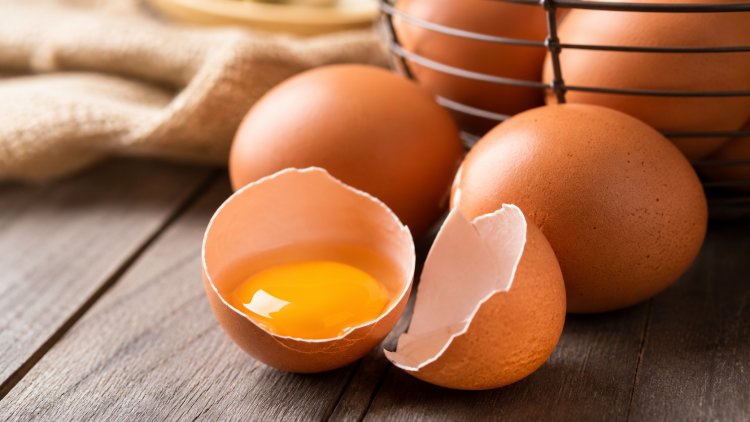
Did you know that the humble egg packs a powerful nutritive punch inside it ?
We’ll tell you about this and more on how to store eggs, check/ prevent contamination as well as FISSAI standards.
 The egg fact file:
Filled with goodness !The size of 1 egg varies between 49-70 g and it contains 12-14 % of easily digestible proteins, all essential amino acids, 10-12 % fat, 65 % water and 1% minerals.
Easily available! Since most Indians lack protein in their diet, an egg is the easiest way to fix this deficiency.
Low cost! An egg is priced much lower than say meat, poultry or fish hence it easily fits into your budget.
How should you store eggs?
Store it in the fridge: When refrigerated, it easily stays in good condition for 1-2 weeks. In fact, clean eggs stored at -1degree C and relative humidity of 80% won’t deteriorate for as long as 6 months! However, when stored at room temperature, there’s a noticeable drop in quality within a week!
Can eggs get contaminated?
Yes they can. An egg can get contaminated either after it’s been laid or during laying. Salmonella enteritidis and Salmonella typhimurium are 2 such viruses that can cause food borne illnesses termed salmonellosis.
What are some Dos and don’ts to prevent contamination?
Dos:
Ensure that eggs must always kept clean
Wash soiled eggs thoroughly with water before storage/usage
Follow good hygiene protocols: wash your hands with soap and clean all surfaces and utensils that have come in contact with raw eggs.
Only consume those eggs that are cooked properly and have firm yolks & whites.
Don’ts:
Don’t eat undercooked / raw eggs
Don’t eat eggs with cracked or broken shells; they emit a bad odor since broken shells cannot protect the edible portion and hence allow microbes to penetrate inside .
How should you check for the quality of eggs before buying?
It’s very simple. Drop it in a bowl of water. If it sinks, it’s of good quality, if It floats, it’s of poor qualitysince the floating shows that it has lost its weight due to dehydration and is no longer edible.
Finally, are there any FSSAI standards set to govern the quality of eggs?
Yes. FSSAI has proposed standards for fresh eggs, laying down parameters which state that theeggshells must be free of blood rings, fecal matter and must not be soiled or leaking. It has also
 Disclaimer: Welthi.com does not guarantee any specific results as a result of the procedures mentioned here, and the results may vary from person to person.