Millets - present day nutrition solution
In our modern society, people suffer from complex diseases like diabetes, high blood pressure, obesity, cardiovascular diseases, primarily because of their aversion towards physical activity and lack of proper nutrition. Sedentary lifestyle has taken over the nation with a rage. If we study our daily routine, we tend to spend umpteen hours in front of the laptop, reading e-mails, using internet, playing video games. Smart phones have become an indispensable part of one’s life and television gazing has transformed us into couch potatoes. We spend most of the day, somewhat inactive debarring physical mobility or exercise, resulting in health scares. Millets is considered to be a new and easy solution to lifestyle hazards.
In recent times, KC Raghu, managing director of Pristine Organics, during his presentation at WhatsHapp Foods Version 3, the seminar that took place at the at the Bangalore Chamber of Industry and Commerce (BCIC) stated that “ Millets have been an important part of the meal milieu, and although they had been isolated, they are a present –day nutrition solution”. “Cereals, in the general, form a major portion of the human diet post-agriculture. These crops have been only partly replaced by potatoes and bananas in some parts of the world. Millets almost vanished from this main energy-giving carbohydrate group in just about 40 years,”
In his opinion, the history of millets dates back around 15,000 years in our food system. This accounted to a major loss to humans and cultivated agriculture. Millets are basically dry land crops which needs very less amount of water and inputs.
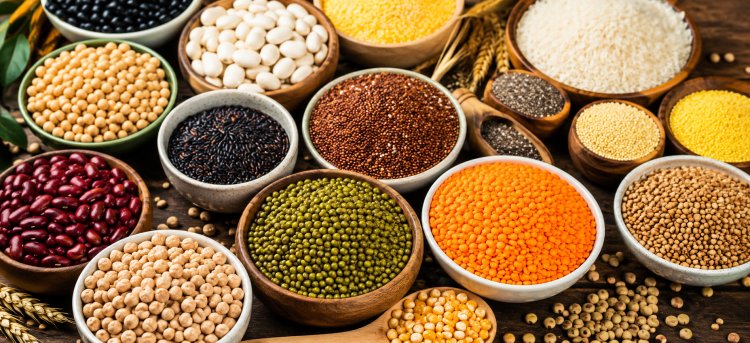
Types of Millets:
 Finger millet
Pearl millet
Proso millet
Little millet
Banyard millet
Browntop millet
Foxtail millet
Kodo millet
Sorghum millet
Mr. Raghu, further stated that finger millet and sorghum are still quite extant whereas the rest of the variety of millets is fast vanishing. He emphasized that millets are composed of high dietary fibre with good fatty acids and phytonutrients. Thus, proving the nutritional richness of millets compared to complex carbohydrates.
Contrary to popular belief, millets are ideal for sedentary lifestyle. Nearly, 80 percent of the human diseases are metabolic diseases originating from food. Raghu added that, foods of this nature can indeed promote health and prevent diseases.
The Pristine Organics chief said, “From an ecological point of view, millets are resource-conserving and climate-compliant. As responsible stakeholders, we need to conserve the diversity of the diet, and consequently, unknowingly, nutrition and human health.” Keeping the present scenario in mind he said, “India, in particular, is largely a dry land and water-scarce. But all types of millets are capable of thriving in adverse climatic conditions, and therefore, we need to conserve and preserve them.”
Sedentary lifestyle enhances the chances of aggravating various heart diseases and colon cancer. “Moreover, in an age of lifestyle disorders, millets do fit in aptly for sugar control and cholesterol management. They compare to any cereal. With the highest amount of dietary fibre, millets keep sugar levels in control and maintain cholesterol too.” It keeps colon cancer at bay. Millets, in addition, contain a range of newly-discovered nutrients known as photo chemicals, said Raghu.
KC Raghu said “Pearl millets, in particular, are also rich in omega-3 fatty acids, which also help reduce bad cholesterol. Therefore, millets need to be cultivated and consumed, because they are a storehouse of medicinal value”.
Minor changes in our mundane behavior complemented with new dietary charts, can make a huge difference in our lives. Substituting millets for complex carbohydrates will lower the high risk chances of potential ailments subjected to a disrupted lifestyle. In our daily life, we prefer spending more time lying and sitting mostly as a laggard. Reports show that inactivity amongst people is more fatal than smoking. Adequate nutrition along with physical mobility can remarkably improve the health conditions. The rich nutritional value of millets and its climatic compatibility makes it suitable for India in all aspects.
 Disclaimer: Welthi.com does not guarantee any specific results as a result of the procedures mentioned here, and the results may vary from person to person.