The Bicyclist's Vulva - Something That All Women Cyclists Should Know
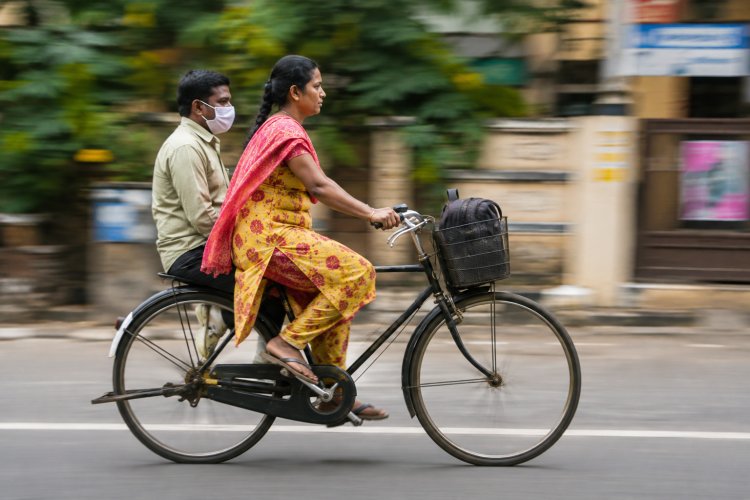
In an age of fast-paced change, it’s not just technology that keeps developing, but also new disorders of the body.
One such disorder is the bicyclist's vulva, which was first described by Belgian gynecologists. The specialists observed this condition in six high-volume cyclists who cycled more than 500 km per week.
Some of you may already know that female cyclist athletes are prone to numerous issues such as the cyclist’s nipple, neuropathic syndrome and many saddle-related skin conditions.
How It Happens
The bicyclist’s vulva refers to the problems associated with lymph drainage, resulting from excessive contact with the saddle.
This problem was first noticed in six Belgian athletes—they all had unilateral vulval swelling while none of them had a history of lymphedema.
Researchers think that vulval lymphedema—which characterizes the bicyclist’s vulva—may be caused by continuous compression of inguinal lymph nodes. This happens due to the cyclist’s posture on the saddle and also because of the chronic inflammation of the vulvo-perineal area.
What It Involves
A women with this condition will have unilateral swelling of the genital area with mild pain and discomfort that reduces when she gets off the saddle.
Continuous pressure on the vulva leads to the inhibition of proper lymph drainage from the inguinal region as well as inflammation of vulvo-perineal area. Increased time on the saddle time aggravates this condition.
The bicycle saddle type used by women also plays a role. It’s been shown that cutout saddles have a higher pressure impact on soft tissues as compared to flat saddles.
How You Should Treat This Condition
 Decrease your time on the saddle.
Raise the bicycle's handlebar, which increases the angle of the back.
Stand up more while cycling.
Change the saddle type, depending upon what works for you.
Wear padded shorts.
Maintain perineal hygiene.
Elevate your limbs while taking rest. This enhances lymph drainage.
Apply a cold compress.
Make use of physiotherapy.
Surgery is rare and required only when discomfort increases drastically.
 Disclaimer: Welthi.com does not guarantee any specific results as a result of the procedures mentioned here, and the results may vary from person to person.