Smokers prone to complications after orthopaedic surgeries

Passive and active smoking both have a plethora of ill effects and these are quite well known and documented. According to research published in The Lancet, an international journal, more than one out of ten deaths worldwide were a result of smoking. Over half of these deaths occurred in only four countries, India being one of them.
Smoking as of this date is the second biggest factor globally for disability and early death and significantly contributes to asthma, cardiovascular ailments, respiratory diseases, hypertension and many kinds of cancer. There are now more than ever, even more incentives to quit smoking. Doctors from the Indian Spinal Injuries Centre in Vasant Kunj, New Delhi have said that smokers are likelier to have complications following orthopaedic surgeries.
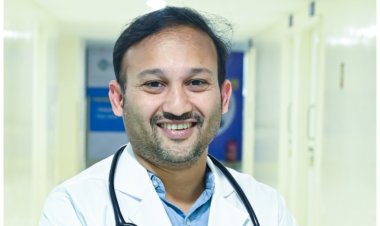
“Almost every tissue in the human body can get affected by smoking, including the ones that make up the human musculoskeletal system, and it is a much-known fact that smoking adversely impacts healthy functioning of human body organs. By quitting smoking, one can reduce risk for many medical conditions. Off late, several interesting peer-reviewed research have been conducted in foreign countries which show that smokers are more susceptible to long-term bone and joint problems such as osteoporosis. On the other hand, what is probably more alarming is the fact that people who smoke tend to have a slower recovery period after undergoing an orthopaedic surgery,” says Dr Vivek Mahajan, Consultant, Joint replacement surgeon Indian Spinal Injuries Centre.
There are quite a few complications that arise post operation in the majority of procedures dealing with joints. Added to other problems like alcohol consumption, unhealthy lifestyle factors and diabetes, smoking can result in serious complications like pulmonary problems, surgical infections and worsen post-operative wounds.
Those who were able to quit smoking prior to a joint replacement surgery had better surgical results and were likelier to not need follow ups for the surgery. Those who quit smoking pre surgery had not only better results, they were less likely to have post-surgical issues like pneumonia, stroke, urinary tract infections and surgical site blood clots. Elderly smokers are up to 40% more prone to breaking their hips in comparison to their non-smoking counterparts, according to a study by the American Academy of Orthopaedic Surgeons. Not only does smoking makes the joints and bones weaker, but it also hinders the recovery time period for surgeries.
 Disclaimer: Welthi.com does not guarantee any specific results as a result of the procedures mentioned here, and the results may vary from person to person.